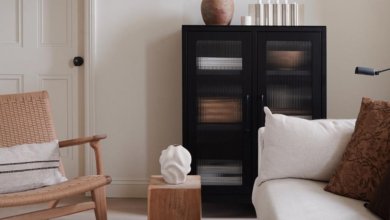
Achieving an elegant house design isn’t about spending more money — it’s about knowing what to leave out.
Most individuals seeking elegant home designs don’t aspire to extravagant mansions; rather they want their living room or half-built house on an unfamiliar plot to appear planned instead of random. That is the real challenge — not what defines luxury but rather “how can I stop my space from looking like an unplanned showroom”.
As I have explored this same question with homeowners of various budgets, one thing has always remained consistent: elegance is best achieved through restraint and repetition rather than adding features en masse. For this guide I focus on interior choices, exterior details, layout logic considerations and any mistakes I’ve seen or made myself that distinguish an elegant from an expensive house.
What Does Elegant House Design Really Mean?
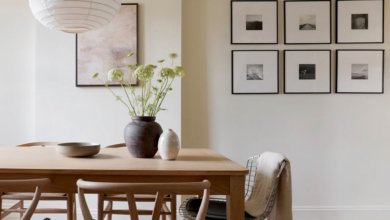
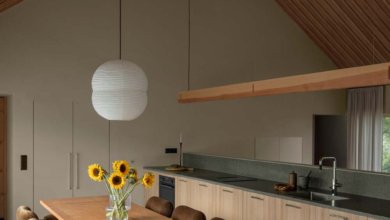
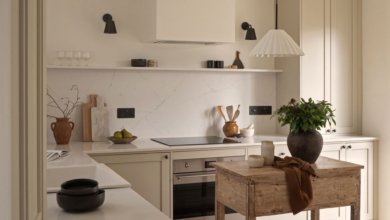
Elegant does not equate with minimalism or excess. Elegant spaces feature elements that serve their respective functions without competing for attention; for example, homes featuring multiple wall colors, two flooring types and numerous light fixtures might cost more while appearing disorganized and chaotic.
One quick way to identify elegant design in photographs: counting materials. Elegant spaces typically do not exceed three or four different “materials”, while chaotic ones often exceed this threshold.
Exterior Ideas for an Elegant Home
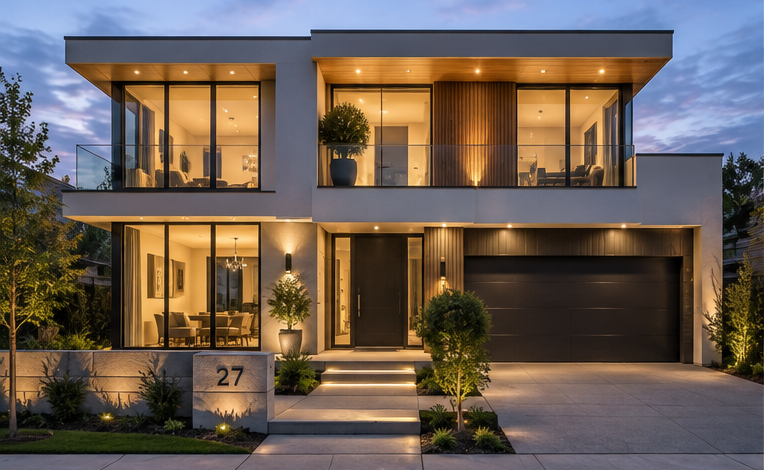
Exterior elegance depends upon proportion and restraint when choosing materials – not extravagant details and embellishments that add no aesthetic value.
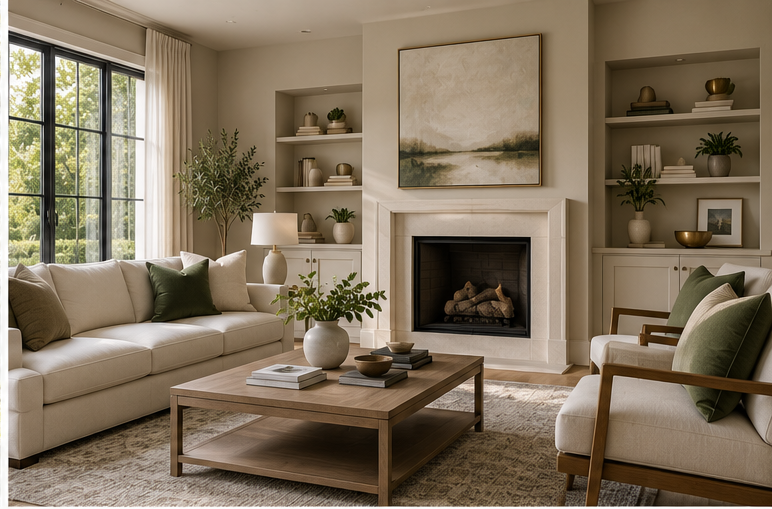
Rooflines and Massing
Homes that showcase elegant architectural lines typically boast clean rooflines created in an orderly fashion rather than looking random or accidental from street views. Too many gables added by builders as an attempt to “add interest” may obscure any beauty found elsewhere on a home’s facade.
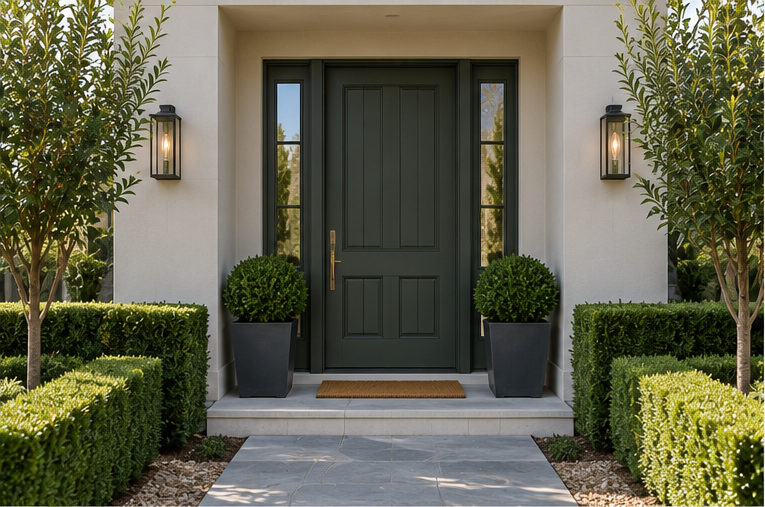
Limiting Your Exterior Materials
It is wise to limit yourself to no more than two exterior materials on any particular facade; three could work if one serves as an accent (such as stone base under painted render). Facades composed of brick cladding, stone cladding, wood siding and stucco rarely look elegant but rather disjointed instead of elegant.
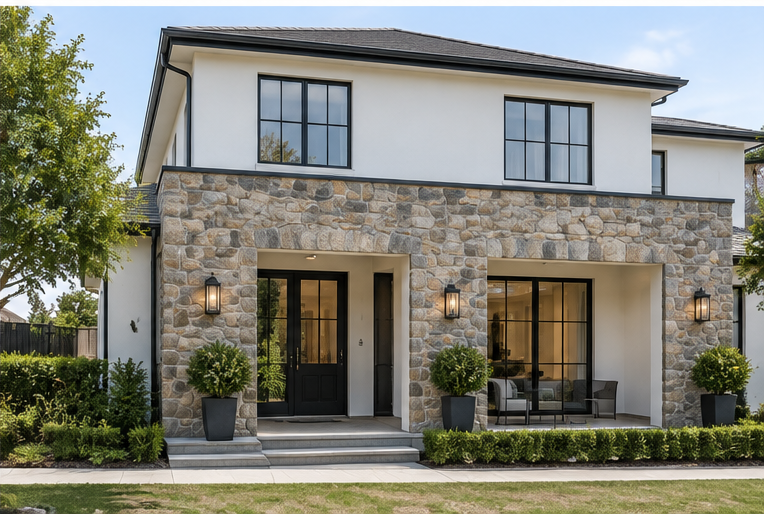
Landscaping and Entry Door Ideas
Front doors carry more visual significance than many people realize; an eye-catching yet proportioned deep green, charcoal or black door can add greater curb appeal than an elaborate portico. Compliment this focal point with low maintenance landscaping such as clipped hedges or repeated tree species such as cherry or oak to enhance visual impact while lessen competition among different plant varieties for attention.
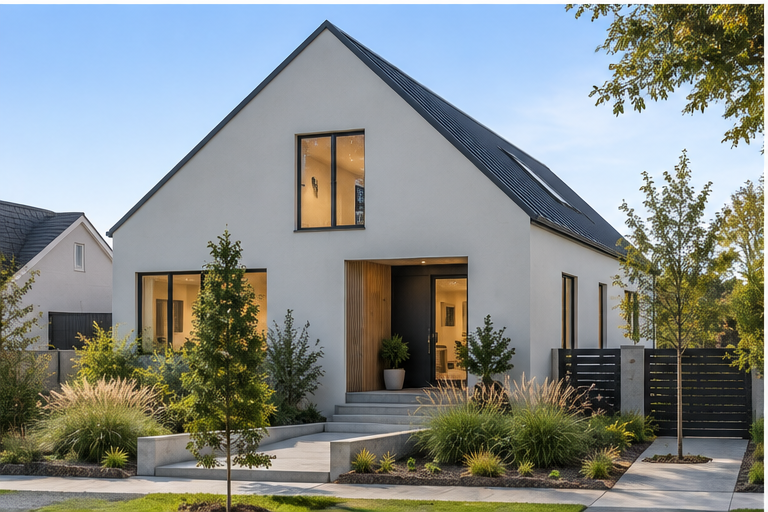
Elegant House Design for Interior Spaces
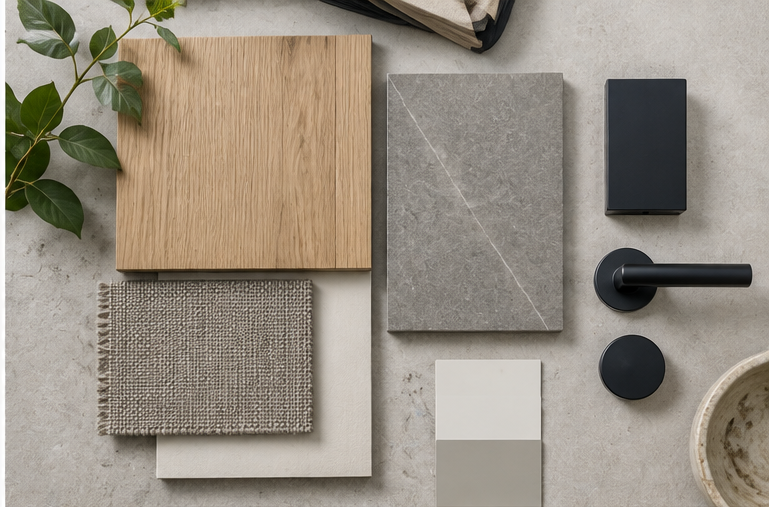
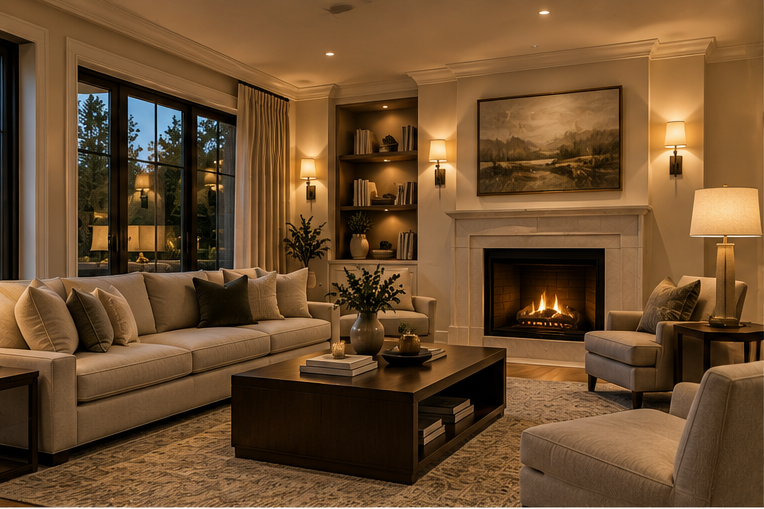
Interior beauty rests upon three essential components, which include an attractive color palette, uniform hardware finishes and lighting layers at various heights.
Color Palette Discipline
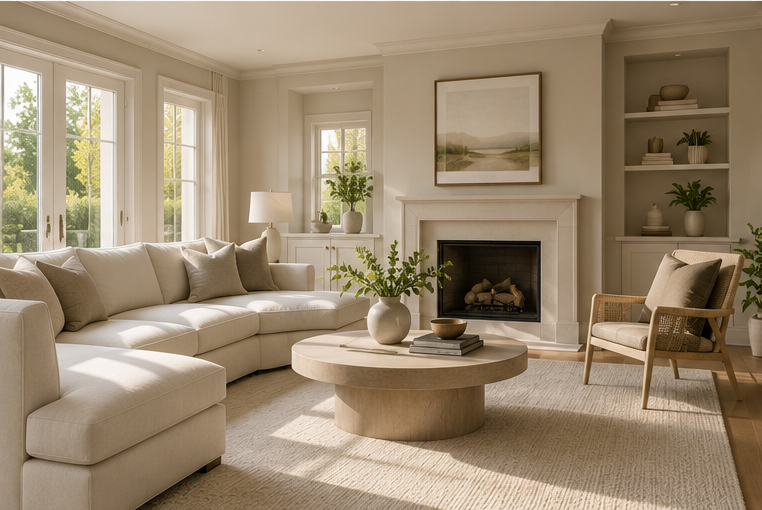
When creating your color palette, aim for one dominant neutral (warm white, greige or soft taupe), two secondary tones and an accent hue used sparingly – such as art pieces, cushions or accent walls. I once worked through a home where each room featured its own theme color (which felt like six separate Pinterest boards stitched together); once we painted all connecting rooms using one consistent palette across connecting spaces it instantly seemed twice the size without structural modifications being necessary!
Hardware and Finish Consistency
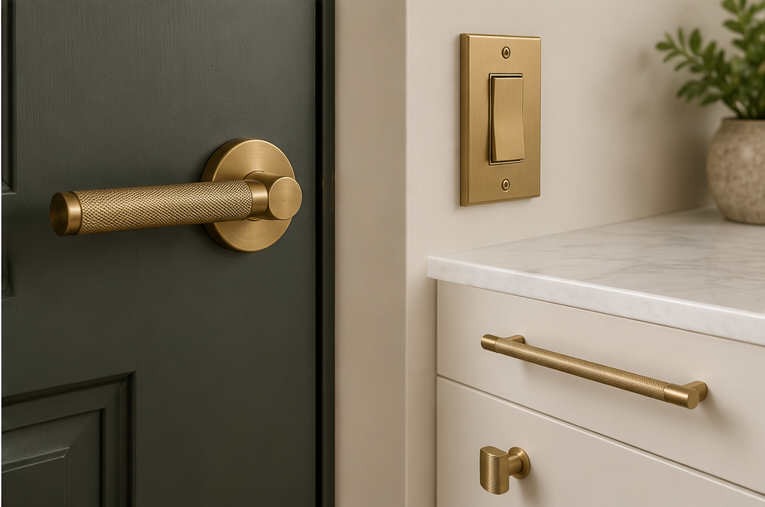
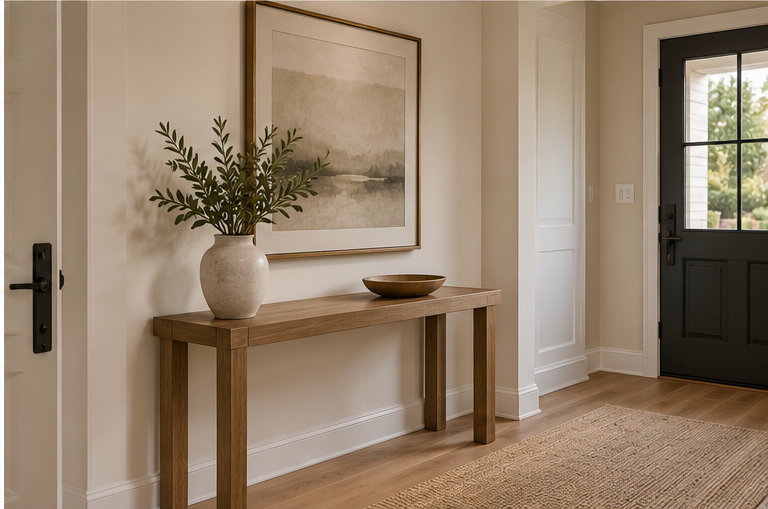
Door handles, faucet finishes, light switch plates and cabinet pulls should all adhere to one metal tone throughout connected rooms – such as brushed brass, matte black or brushed nickel – in order to achieve uniformity within an entirely renovated house. Mismatched finishes among rooms is one of the primary factors why renovation projects often appear incomplete even once completed.
Layered Lighting
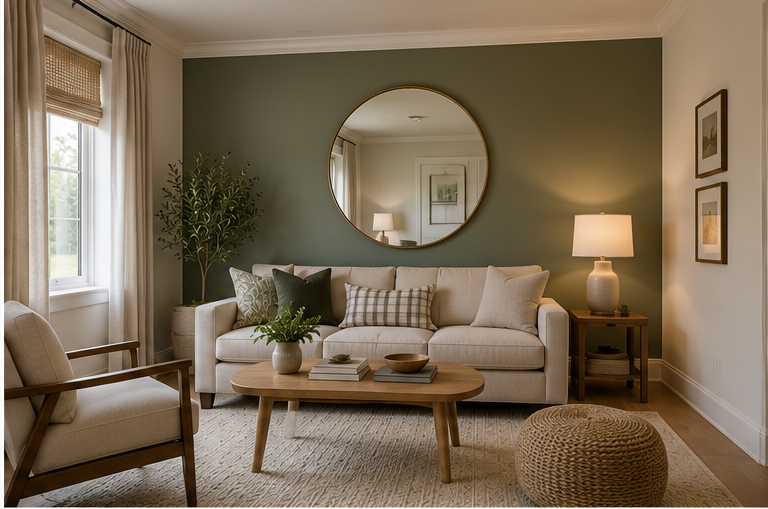
No matter how beautiful its fixture may be, an overhead light alone often falls short in terms of adding elegance. Elegant spaces require multiple sources of illumination at different heights: ambient (ceiling-mounted lights or bulbs); eye level lighting such as wall sconces or table lamps at eye level level and low floor lamps or under cabinet lights to achieve this layered approach to illumination which gives multiple layers of illumination instead of one source being the sole source – an effective strategy when utilized effectively!
Simple Elegant House Designs on a Limited Budget
Some of the most beautiful homes I’ve seen were under 1,200 square feet! Even without marble and chandeliers, these homes were truly spectacular!
Here’s the key to creating an impactful statement on a tight budget:
Paint over new furniture to match it better with its environment. A carefully planned color palette on walls, trim and doors often stands out more than furnishings which come equipped with mismatching colors.
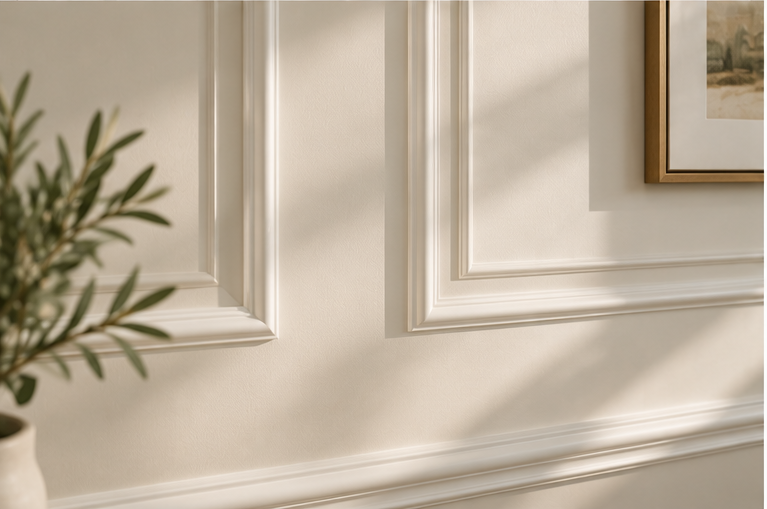
Make one statement piece the centerpiece of every room instead of multiple decorative objects that vie for attention, such as one large mirror, light fixture or piece of art that draws everyone’s eye without competing with any other items in a room – such as picture frame molding that adds an expensive feel for less money than decorative objects might do. Prioritize trim upgrades over decorations if budget allows: picture-frame molding can add that expensive touch while remaining relatively affordable.
Prior to commencing decorating, first tidy your space by clearing away visual clutter. For optimal results, choose two or three materials rather than using different ones in each room – this way continuity rather than chaos will emerge!
At first glance, traditional wisdom advises adding texture throughout to bring warmth – layer rugs, throws, walls with texture and baskets in all rooms at the same time – but in smaller homes I recommend against going down this route; too much texture may appear chaotic rather than cozy; one or two carefully implemented textural elements per room will work far more successfully at drawing in viewers than five competing for attention simultaneously.
Elegant House Design Ideas by Room
Create an intimate setting in any space by centering all furniture legs on one large rug that covers them instead of placing only below a coffee table as is often done. Also select neutral-hued upholstery while injecting some pops of color via accessories and smaller accent pieces.
Kitchen: Color and Counter Material
Cabinet color and countertop material have an immense visual impact in any space – particularly kitchens! A two-tone approach (such as pairing darker island cabinets against lighter perimeter cabinets) works particularly well when both elements share similar warming qualities – just make sure not to combine too many warm wood tones alongside cool gray hues in one space!
Bedrooms
Elegant bedrooms typically incorporate designs with subtle contrast; bedding, walls and curtains often use similar textures such as silk to achieve low contrast designs; adding one or two bolder or richer elements (such as an ornate headboard or bench at the foot of the bed) can help ensure visual harmony rather than visual competition.
Bathrooms
Elegant bathrooms typically use tile patterns only as focal zones – like on a shower wall or floor — for an overall more refined aesthetic. Combining too many patterns can become visually chaotic instead of luxurious.
Elegant Home Design Features for Tropical Climates Like the Philippines
Elegant home design ideas developed for cooler climates may not translate directly to tropical locales like the Philippines; many Pinterest plans may fail when applied directly here.
Ventilation over aesthetic appeal. Cross ventilation, high ceilings and covered outdoor “lanai” spaces should take precedence over fully air conditioned layouts which look nice but incur significant electricity bills quickly.
Concrete, tile and treated wood typically perform best in humid regions compared to untreated timber or fabric-intensive upholstery materials like uncoated fabric sofas or blankets.
Capiz shell, rattan and narra wood accents add local style without resorting to imported materials; these unique accents often appear in higher-end Filipino residential design projects as both practical and visually distinct solutions.
Roof overhangs don’t just add visual interest when building tropical houses: their deep eaves offer protection from monsoon rainfall – giving these gorgeous structures lasting practical value beyond aesthetic appeal.
Before trying out any design inspiration from international accounts, make sure that it can adapt to the climate in which it will reside. An all-white stucco exterior could quickly discolor in wetter seasons without due consideration to its specifications and environmental conditions.
Step-by-Step Guide to Planning an Elegant House Design
When starting from scratch with designing an elegant home design, the first step must be identifying your material palette: flooring, one wall color family and metal finishes should all be selected before purchasing anything else.
Before making any final room layout decisions, take time to examine natural lighting sources. Luxurious spaces often take advantage of where natural sunlight falls; to maximize living spaces that take full advantage of it!
Be sure to draft up a lighting plan prior to beginning any electrical work in any room; keep track of ambient, task, and accent lights for each space to prevent retrofitting becoming costly and patchwork looking. Select all of your hardware finishes together now rather than making pieces-by-piece decisions later so nothing seems mismatched later on.
Do not rush: take time living in each space before filling all available vacancies; this will enable more informed and less regretful decision-making! Rather than adding items when one appears nearly completed, try taking something away first to see if that works better!
Elegant design simply seeks accuracy — which ensures it remains fashionable over time.
Common Mistakes That Undermine Elegant Home Design
Common mistakes which undermine elegant house designs include failing to formulate an overall palette when purchasing pieces piecemeal; mixing warm and cool metal finishes within visible areas within rooms, and using overhead lighting alone within rooms as mistakes that obstruct its beauty.
Too Many Accent Walls: One Is Enough
Refraining from installing window treatments altogether will leave rooms looking incomplete even when all other tasks have been fulfilled; similarly purchasing furniture sets as packages often reads as generic solutions rather than personalized decisions.
The Bottom Line on Elegant Home Design
Consistency elevates home designs beyond using expensive materials: limited material selections and color palette, matching hardware finishes and layer lighting all work toward achieving elegance despite any budget restrictions – luxury materials alone cannot guarantee this result!
Frequently Asked Questions (FAQs) (FAQs) for Help and Answers on our products/services include
Are small or simple homes still elegant?
Without doubt. Elegant design places more importance on proportion, restraint and consistency than square footage; many of the most stunning houses boast modest dimensions but carefully considered material and color choices to achieve an exquisite result.
How should elegant house design incorporate colors?
Generally, three primary hues should suffice: neutral tones should act as the dominant neutral tone with two complementary tones used occasionally as secondary tones and one accent color chosen specifically to highlight and curate each room’s theme; beyond this limit most spaces tend to look disorganized rather than designed and styled.
How does climate affect elegant house design?
House designs tailored specifically for tropical climates like those found in the Philippines require ventilation, roof overhangs and humidity-resistant materials – these components all play a pivotal role. While designs from more temperate areas often need adjustments for tropical conditions.
What are the differences between elegant and luxury home designs?
Luxury refers to costly materials like marble, custom millwork and high-end fixtures; while elegance refers to how these elements (such as simple hues) come together harmoniously without needing expensive materials or fixtures – however a truly elegant home may require no such expensive expenses either!
Should I hire an exterior designer or take on my project myself?
Interior designers provide invaluable help when selecting materials and lighting plans in early phases, which may later prove hard or even impossible to correct; once this foundation has been laid, homeowners frequently make decorating and furnishing decisions without professional input.